
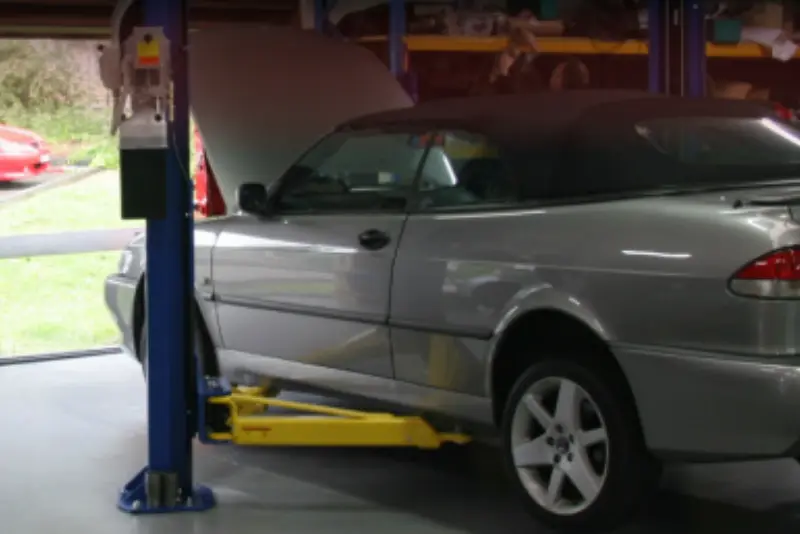
Classic car restoration can include body and rust repair, paint, mechanical rebuilding, brakes, suspension, steering, electrical work, interior trim, glass, seals and final roadworthiness checks. The exact scope depends on the vehicle’s condition and the owner’s goal.
A weekend driver does not need the same project as a historically exact show car. Before work begins, the workshop should define the intended use, originality standard, budget priorities, parts strategy and which work will be completed in-house or by specialist suppliers.
Arnpro Automotive undertakes classic car restoration from its Croydon workshop. This guide explains how a project is scoped and why the first inspection matters more than a generic list of tasks.
Restoration, recommissioning or repair?
These terms are often mixed.
- Recommissioning
Recommissioning returns a stored or little-used vehicle to reliable operation. Work may focus on fluids, fuel system, cooling, brakes, tyres, battery, belts, hoses and safety checks without dismantling sound cosmetic areas.
- Repair
A repair addresses a specific fault, such as a leaking radiator, worn suspension bush or failed electrical component. It does not attempt to return the whole car to a chosen standard.
- Restoration
Restoration is a coordinated project across multiple systems. It may be mechanical, cosmetic or both. A full body-off or bare-shell build is only one form; many worthwhile restorations retain serviceable original material and focus spending where it improves safety, reliability and integrity.
The label matters less than the written scope. Ask what “restored” will mean for this car.
- The initial assessment
The workshop begins by identifying the vehicle, its condition and the owner’s objective. This can involve:
- chassis, body and identification details
- photographs and documentation
- visible rust and previous repairs
- engine, transmission and driveline condition
- brakes, steering and suspension
- wiring and electrical equipment
- trim, glass and seals
- parts completeness
- service and ownership records
- roadworthiness and registration status
Some faults remain hidden until trim, paint or components are removed. A responsible estimate explains that uncertainty and sets approval points if new work is discovered.
- Setting the restoration goal
- Reliable road car
The priority is safe, dependable use. Period appearance may be retained while selected modern materials or concealed upgrades improve reliability.
- Factory-style restoration
The project aims to match the original specification, colours, finishes and components where practical. Research and period-correct sourcing can add time.
- Concours or judged vehicle
Every visible and hidden detail may be considered against a judging standard. This is a different scope from making a car attractive and roadworthy.
- Restomod
A restomod combines classic appearance with selected modern performance, braking, cooling, electrical or comfort systems. Changes must be planned as a whole, so one upgrade does not create problems elsewhere.
- Preservation
Preservation keeps original finishes and components wherever possible, accepting age and patina. Replacing everything can reduce historical character even where the new result looks cleaner.
Write the goal in one paragraph before choosing parts. It becomes the rule for later decisions.
- Disassembly and documentation
A substantial restoration may require removal of interior, glass, trim, engine, driveline or body panels. Good documentation records fasteners, routing, finishes, shims and component locations before they disappear into boxes.
Parts should be labelled and assessed as reusable, repairable, replaceable or missing. This inventory helps prevent duplicate purchasing and identifies long-lead items early.
Photographs are not only for progress updates. They support reassembly and provide evidence of work hidden beneath paint or trim.
- Rust and body repair
Rust is rarely only the visible bubble. Paint can conceal corrosion, filler and earlier repairs. Moisture traps often occur around sills, floors, wheel arches, windscreens, battery trays and drainage points, depending on the model.
Body restoration may include:
- stripping affected finishes
- measuring and aligning panels
- cutting out corroded metal
- fabricating or fitting repair sections
- repairing previous welds
- treating accessible cavities
- panel fit and gap adjustment
- corrosion protection and sealing
Simply filling over rust does not address the underlying metal loss. The workshop should show what was found and explain whether repair, replacement or preservation is proposed.
Structural work may affect safety and compliance. It needs suitable methods and, in some cases, engineering or inspection requirements.
- Paintwork
Paint scope ranges from local correction to a complete refinish. Preparation usually consumes more time than the visible colour coats.
Decisions include:
- original colour or a documented change
- bare-metal or selective stripping
- repair of old paint reactions
- panel alignment before paint
- engine bay, boot and door-jamb finish
- underbody finish
- decals, pinstripes and badges
- gloss level and texture appropriate to the goal
A colour change reaches further than exterior panels if it is to look coherent. Door apertures, under-bonnet areas and the boot can increase the scope significantly.
- Engine work
Not every old engine needs a complete rebuild. Testing and inspection may indicate that servicing, sealing or targeted repair is enough.
Engine work can include:
- compression and leak assessment
- oil-pressure checks
- gasket and seal replacement
- cylinder-head work
- bottom-end rebuilding
- carburettor or injection service
- ignition repair
- belts, chains and tensioners
- mounts and exhaust work
- tuning and final testing
If the engine is rebuilt, the plan should define machining, tolerances, parts availability and whether the specification remains standard.
- Cooling system
Classic engines often suffer when cooling systems are partly repaired. A new radiator will not compensate for blocked passages, a poor water pump, an incorrect thermostat, a weak cap or an unsuitable fan arrangement.
Restoration may include radiator testing or recoring, hoses, water pump, thermostat, fan, shrouding and heater system. The system should be tested under realistic operating conditions.
Modern upgrades can be considered where they fit the project’s goal, but visual and electrical effects should be discussed.
- Fuel system
Old fuel, tank corrosion, deteriorated hoses and carburettor deposits can prevent safe recommissioning. Ethanol compatibility may also matter for materials in older systems.
Work may include tank cleaning or repair, lines, pump, filters, carburettors, injectors and vapour control. Fuel leaks require prompt attention and should not be treated as an acceptable trait of an old car.
- Transmission and driveline
The clutch, gearbox, differential, tailshaft, universal joints and axles all affect how the car drives. Noise or vibration can travel, making diagnosis important before parts are ordered.
Restoration might include seals, bearings, synchros, clutch components, mounts and balancing. Automatic transmissions may need a specialist assessment.
Gear ratios and driveline changes should be planned with engine output, tyre size and intended use.
- Brakes, steering and suspension
These systems determine whether the restored car can be used safely and predictably. Appearance should not take priority over deteriorated hoses, seized cylinders or worn joints.
Work may cover:
- master and wheel cylinders
- callipers, drums, discs and shoes
- hard lines and flexible hoses
- wheel bearings
- steering box or rack
- ball joints, tie rods and bushes
- springs and dampers
- alignment and ride height
- wheels and tyres
Upgrades need to work as a system. Larger brakes may alter wheel clearance, pedal balance and master-cylinder requirements.
- Electrical restoration
Ageing insulation, poor earths and accumulated accessory wiring are common sources of unreliable classic-car electrics. Replacing individual fuses does not correct damaged harnesses or overloaded circuits.
Electrical work can include:
- battery and charging system
- starter and ignition
- wiring-harness repair or replacement
- earth points
- lighting and instruments
- switches and relays
- wipers, heater and accessories
- discreet fusing or relay upgrades
The decision between repair and a new harness depends on originality, condition and intended electrical load.
Interior and trim
Interior restoration can include seats, carpets, headlining, door cards, dashboard, controls, insulation and weather seals. Original material may be repaired, reproduced or replaced.
Trim work needs to coordinate with body and electrical work. Installing a headlining before checking the roof wiring or glass seals can create expensive rework.
Choose materials against the project goal. A durable road-car interior and a period-correct judged interior may use different solutions.
- Glass, rubbers and exterior trim
Windscreens, side glass, regulators, door seals and chrome influence water tightness, noise and finish. Old rubbers can look serviceable but crack during removal.
Parts availability should be checked before dismantling rare trim. Straightening and replating original pieces may be preferable to poor reproductions, but lead times can be substantial.
- Wheels and tyres
Tyres age even when the tread remains. Check date, cracking, construction and suitability for the intended speed and load. Wheel condition, runout, fasteners and offsets also matter.
Period appearance can sometimes be retained while choosing current tyres, but uncommon sizes may limit options. Any change should preserve clearance and steering behaviour.
- Parts sourcing
Classic projects may use:
- new old stock
- remanufactured components
- quality reproduction parts
- refurbished originals
- used donor parts
- custom-fabricated pieces
Each has trade-offs in availability, fit, originality and lead time. “Genuine” is not enough information if the part is old, damaged or unsuitable.
Approve the sourcing strategy early. A project can stall when a rare component is discovered after related work is complete.
Roadworthiness, registration and modifications
A visually finished car still needs to meet applicable Victorian requirements for road use. Registration history, vehicle identity and modifications can affect the process.
Do not assume that a modification is acceptable because a similar car has one. Changes to structure, engine, brakes, steering, suspension, seating or restraints may require specific evidence or engineering advice.
The workshop should identify compliance questions early, before paint and final assembly make revisions expensive.
Reassembly and commissioning
Reassembly brings together work completed across months and multiple suppliers. It includes correct fasteners, routing, fluids, adjustments, sealing and protection of finished surfaces.
Commissioning then tests the car progressively:
1. static electrical and fluid checks
2. initial start and leak inspection
3. temperature, charging and oil-pressure monitoring
4. brake and clutch operation
5. Short controlled road tests
6. steering, alignment and vibration checks
7. longer testing under realistic conditions
8. re-torque, fluid recheck and defect list
Freshly restored does not mean every part settles immediately. A planned post-delivery inspection can identify adjustments after initial use.
What changes restoration cost and timeline?
Arnpro does not publish a universal restoration price because projects vary substantially. Main factors include:
- hidden rust and earlier repairs
- vehicle completeness
- parts rarity and freight
- originality requirements
- body and paint standard
- mechanical condition
- custom fabrication
- specialist subcontracting
- modification and engineering needs
- decisions added after work starts
The best control is staged approval. Break the project into assessment, strip-down, body, mechanical, paint, assembly and commissioning, with written decisions at each gate.
How to avoid a stalled restoration
Start with a realistic goal and reserve. Document the scope, store removed parts properly and make decisions before related work begins.
Ask for progress records and a process for variations. Avoid buying every shiny part before the car has been assessed. Cosmetic purchases can consume the budget needed for rust, brakes or machining.
If you are buying a project, inspect it before purchase. Missing trim and dismantled boxes can be harder to value than an assembled non-running vehicle.
Choosing a restoration workshop
Ask potential workshops:
1. Which parts of the project are completed in-house?
2. Which specialists do you coordinate?
3. How is hidden work approved?
4. How are parts labelled and stored?
5. How often are progress updates provided?
6. How is originality researched?
7. How are modifications and compliance handled?
8. What documentation is supplied at completion?
9. Can the project be staged?
10. What happens if the owner’s priorities change?
Visit the workshop where possible. The quality of organisation and documentation matters on a project involving hundreds of parts.
Discuss a classic restoration in Croydon
Classic car restoration is not one standard package. It is a sequence of decisions about condition, use, originality and budget. A clear assessment and staged plan reduce rework and help preserve the parts of the car worth keeping.
Arnpro Automotive is family-owned, has more than 30 years of experience and undertakes classic car restoration in Croydon. Call (03) 9839 8920 or use the enquiry form to discuss the vehicle. The workshop is at 18 Coolstore Road, Croydon, serving owners across Melbourne’s outer east and the Yarra Ranges.
Frequently asked questions
No. A project can range from mechanical recommissioning to a full bare-shell restoration. The appropriate scope depends on condition, intended use, originality and budget.
There is no fixed timeframe. Rust, parts availability, specialist work, paint, fabrication and scope changes can all affect the schedule. A staged plan should identify dependencies and long-lead items.
Possibly, after assessing the car, parts, previous work and documentation. Missing fasteners, unidentified boxes and unknown workmanship can add diagnostic and rework time.
Not automatically. Restoration cost may exceed the increase in sale value, and buyers may prefer originality. Obtain a condition assessment and market advice before committing to major work solely for resale.