
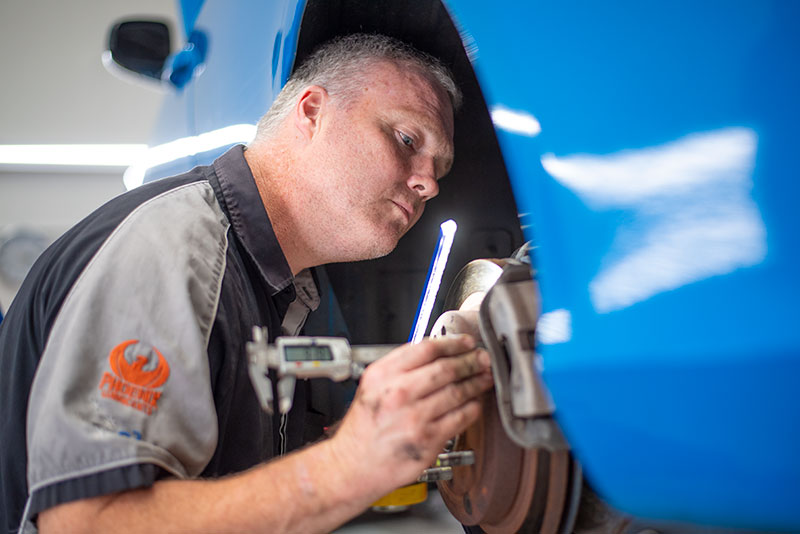
Your car’s brakes are the most critical safety system keeping you and your family protected on Croydon’s busy roads. From the morning rush hour along Maroondah Highway to navigating the bustling Eastland Shopping Centre car parks, your brakes work overtime every single day. Yet many drivers only think about brake repairs in Croydon when something goes seriously wrong.
The reality is that brake problems rarely happen overnight. Your vehicle gives you plenty of warning signs before a complete brake failure occurs. Understanding these signals and knowing when to seek professional help can mean the difference between a routine maintenance visit and an emergency repair that costs thousands of dollars.
5 Brake Warning Signs That Could Save Your Life
Recognising brake warning signs early isn’t just about avoiding expensive repairs – it’s about preventing potentially fatal accidents. Here are the five most critical warning signs every Croydon driver needs to know:
- Squealing or Grinding Noises When Braking
That high-pitched squeal you hear when stopping at traffic lights isn’t something to ignore. Modern brake pads come with built-in wear indicators, small metal tabs that create noise when your pads are getting dangerously thin. Here are some of the alarming sounds that you should look for:
- Squealing sounds typically indicate your brake pads have 2-3mm of material remaining
- Grinding noises mean you’ve worn through the pad entirely, and metal is grinding against metal
- Continuous squealing while driving (not just when braking) suggests warped rotors or stuck brake components
- Rhythmic grinding that matches your wheel rotation points to severely damaged brake discs
The cost difference is significant: replacing brake pads on time is far less expensive than waiting until the damage spreads to the rotors, which turns a simple job into a much larger repair.
- Vibration or Pulsing Through the Brake Pedal
When you press your brake pedal and feel vibration or pulsing through your foot, your brake rotors are likely warped. This happens when the metal brake discs become uneven due to excessive heat or wear. These may include:
- Light pulsing during gentle braking suggests minor rotor warping that can often be fixed with brake machining, Croydon services
- Severe vibration that shakes the entire steering wheel indicates significant rotor damage requiring replacement
- Vibration only at high speeds might point to front rotor issues
- Pulsing during light braking often indicates rear rotor problems
Brake machining (also called rotor resurfacing) can restore smooth braking surfaces when caught early, and it’s generally less expensive than replacing the rotors entirely.
- Soft, Spongy, or Sinking Brake Pedal
A brake pedal that feels soft, sinks to the floor, or requires more pressure than usual is a serious safety concern that demands immediate attention. Look out for:
- Soft pedal feel often indicates air in the brake lines or low brake fluid
- Pedal sinking slowly when held down suggests internal brake fluid leaks
- Pedal going to the floor with little resistance means possible brake fluid loss or master cylinder failure
- Increasing pedal travel over time points to automatic brake adjusters not working properly
- Dashboard Brake Warning Lights
Modern vehicles have sophisticated brake monitoring systems that alert you to problems before they become dangerous. Never ignore these dashboard warnings:
- The red brake warning light indicates low brake fluid, parking brake engagement, or serious system failure
- ABS warning light suggests problems with your anti-lock braking system sensors or control module
- Brake pad warning light (if equipped) means your pads need immediate replacement
- The electronic parking brake warning indicates issues with your electric parking brake system
- Vehicle Pulling to One Side When Braking
If your car pulls left or right when you apply the brakes, you have uneven braking force that can cause loss of control, especially in emergencies. Please check out these:
- Consistent pulling in one direction suggests stuck brake callipers or contaminated brake pads
- Intermittent pulling might indicate warped rotors or loose brake components
- Severe pulling combined with burning smells means a possible brake fluid leak or a severely stuck calliper
- Pulling only during hard braking could point to brake hose deterioration affecting pressure distribution
Brakes are just one system to monitor. Here are other car service warning signs every driver should know.
Croydon’s Most Common Brake Problems (And What Causes Them)
Living and driving in Croydon presents unique challenges for your braking system. The combination of stop-start traffic, hilly terrain, and variable weather conditions creates specific wear patterns that local mechanics see repeatedly.
- Stop-Start Traffic Brake Wear
Croydon’s proximity to Melbourne’s CBD means many residents face daily commutes through heavy traffic. This driving pattern creates specific brake problems:
- Frequent light braking causes glazing of brake pads, reducing their effectiveness
- Heat buildup from constant use can warp rotors and degrade brake fluid
- Brake dust accumulation accelerates the wear of moving components
- Parking brake cables stretch and corrode from frequent use in traffic
- Hills and Steep Streets Impact
Many Croydon neighbourhoods feature steep streets that put extra strain on braking systems:
- Downhill braking generates excessive heat that can cause brake fade
- Uphill parking puts constant strain on parking brake cables and mechanisms
- Steep driveway navigation requires frequent brake-accelerator transitions that wear components faster
- Engine braking is insufficient on steep grades means the brakes work harder than designed
- Weather-Related Brake Issues
Melbourne’s variable weather affects brake performance and longevity:
- Wet weather driving reduces friction and requires more brake pressure
- Humidity and moisture accelerate the corrosion of metal brake components
- Temperature fluctuations cause expansion and contraction that can crack rotors
- Road salt and chemicals from winter treatments corrode brake lines and components
When to Replace vs. Repair: Your Brake Component Decision Guide
Making smart decisions about brake repairs versus replacements can save you hundreds of dollars while maintaining safety. Here’s your comprehensive guide to making the right choice for each component.
Replace immediately when:
- Pad thickness is below 3mm (legal minimum in Australia)
- Metal wear indicators are touching the rotor
- Pads show uneven wear patterns across the surface
- Brake pad material is contaminated with oil or brake fluid
Consider early replacement when:
- Pads have 4-5mm remaining, but you’re planning a long road trip
- One side shows significantly more wear than the other
- Pads are approaching 80% wear and you want to avoid inconvenient timing
- Are you experiencing any squealing noises during braking
Emergency Brake Situations: What to Do When Your Brakes Fail
Despite regular maintenance, brake emergencies can occur. Knowing how to respond safely can prevent accidents and minimise injury risk.
Immediate Response to Brake Failure
If your brake pedal suddenly goes to the floor or becomes completely ineffective:
First 3 seconds:
- Don’t panic – maintain a firm grip on the steering wheel
- Pump the brake pedal rapidly to build pressure if possible
- Downshift to a lower gear for engine braking assistance
- Turn on hazard lights to warn other drivers
Next steps for control:
- Apply the parking brake gradually to avoid skidding
- Look for safe escape routes away from traffic
- Use guardrails or barriers for controlled stopping if necessary
- Steer toward uphill terrain if available to reduce speed naturally
Prevention Through Regular Maintenance
Most brake emergencies result from neglected warning signs:
Monthly checks prevent emergencies:
- Brake fluid level monitoring prevents sudden pressure loss
- Brake pad thickness inspection avoids metal-to-metal contact
- Brake pedal feel assessment identifies hydraulic problems early
- Dashboard warning light response prevents system failures
Annual professional inspections catch:
- Brake hose deterioration before failure occurs
- Brake line corrosion that could cause sudden leaks
- Master cylinder wear that affects brake pedal operation
- ABS faults that compromise emergency braking
Choosing the Right Brake Service in Croydon: Your Complete Checklist
When your safety depends on your brakes, choosing the right mechanic in Croydon isn’t a decision to take lightly. The quality of your brake service affects not only how smoothly your car drives but also how reliably it stops when you need it most. To help you make the best choice, here’s a comprehensive guide on what to look for in a Croydon brake service provider.
- Check the credentials first.
A trusted brake repair shop in Croydon should have licensed automotive technicians who specialise in brake systems. Look for current certifications from leading brake component manufacturers—this shows the team is trained in the latest repair methods. Insurance coverage for automotive repairs is another non-negotiable, as it protects both you and your vehicle. Finally, a mechanic with an established history in the Croydon community brings reassurance that they’re not a fly-by-night operator.
- Pay attention to the workshop environment.
Reputable Croydon brake specialists invest in modern diagnostic tools to ensure accurate testing and precision machining equipment for brake rotors. A clean, organised workshop with proper ventilation and waste disposal systems reflects a professional operation that cares about quality standards and environmental responsibility.
- Evaluate the service quality.
The best Croydon brake repair providers will give you detailed, written estimates before starting any work. They’ll explain what repairs are necessary, discuss possible alternatives, and back their work with warranties on both parts and labour. A professional atmosphere, reflected in tidy facilities and well-presented staff, is another sign you’ve chosen wisely.
- Watch out for warning signs.
Be wary of mechanics who pressure you into costly, same-day repairs without a clear explanation. If a workshop avoids showing you the worn or damaged components, doesn’t provide written estimates, or refuses to offer warranty information, that’s a red flag. Likewise, poor communication or an unprofessional-looking facility should make you think twice before booking in your car.
Choosing the right brake service in Croydon is about more than just finding the cheapest price. It’s about working with experienced, transparent, and well-equipped professionals who put your safety first. With the right local mechanic, you’ll have peace of mind knowing your brakes will perform reliably whenever you hit the road.
Brake Maintenance Schedule: Keep Your Family Safe on Croydon Roads
Proactive brake maintenance prevents emergencies and reduces long-term costs. Here’s your comprehensive maintenance schedule tailored for Croydon driving conditions.
Monthly Brake System Checks
Brake fluid inspection:
- Check the fluid level in the master cylinder reservoir
- Look for dark or contaminated fluid, indicating replacement need
- Inspect for any signs of leaks around brake lines
- Verify proper fluid type (DOT 3 or DOT 4 as specified)
Basic performance assessment:
- Test brake pedal feel for firmness and proper travel
- Listen for unusual noises during gentle braking
- Check the parking brake effectiveness on a slight incline
- Verify all dashboard brake warning lights function properly
Every 6 Months: Detailed Inspection
Visual component check:
- Brake pad thickness inspection through wheel openings
- Brake rotor surface examination for scoring or warping
- Brake hose inspection for cracking or deterioration
- Brake calliper examination for leaks or corrosion
Performance evaluation includes:
- Road test for pulling or vibration during braking
- Parking brake adjustment verification
- Brake warning light system testing
- Documentation of any changes from the previous inspection
Annual Professional Service
Comprehensive brake inspection covers:
- Precise measurement of brake pad and rotor thickness
- Brake fluid contamination testing and replacement if needed
- Brake hose replacement assessment based on age and condition
- Complete hydraulic system pressure testing
Preventive maintenance includes:
- Brake component lubrication, where specified
- Brake dust cleaning to prevent accelerated wear
- Adjustment of parking brake cables and mechanisms
- Update of maintenance records for warranty compliance
Conclusion:
Understanding your brake system and maintaining it properly isn’t just about avoiding expensive repairs – it’s about protecting yourself and your loved ones every time you drive Croydon’s roads. Whether you need routine maintenance, brake machining, or brake hose replacement, choosing qualified professionals and staying proactive with maintenance ensures your brakes are always ready when you need them most.
Remember that brake problems rarely improve on their own and typically worsen rapidly once they begin. The small investment in regular brake maintenance and prompt attention to warning signs pays enormous dividends in safety, reliability, and long-term cost savings. Don’t wait until you’re facing an emergency – schedule your brake inspection today and drive with confidence knowing your family’s safety is protected
Frequently Asked Questions.
- How often should I get my brakes inspected in Croydon’s driving conditions?
Every 6 months or 10,000 kilometres due to Croydon’s stop-start traffic and hilly terrain. The frequent braking on Maroondah Highway and steep residential streets accelerates wear. Professional brake repairs Croydon technicians recommend more frequent checks if you drive in heavy traffic daily. If you notice squealing, grinding, or pedal changes, get them checked immediately rather than waiting for your scheduled service.
- Is brake machining always cheaper than rotor replacement?
Brake machining costs 40-60% less than replacement, but only works if rotors have sufficient thickness remaining (at least 2mm above minimum specs). It’s ideal for light scoring, minor warping, or surface rust. Deep grooves, cracks, or severe warping require replacement. Quality brake machining Croydon services will measure precisely and recommend the most cost-effective, safe option.
- What’s the lifespan of brake hoses, and why do they need replacement?
Brake hoses need replacement every 8-12 years, regardless of mileage, because rubber deteriorates internally from heat and pressure. Brake hose replacement becomes urgent when you see bulging, cracking, or hardening. Unlike brake pads, hoses can fail suddenly and catastrophically. Croydon’s weather extremes accelerate deterioration, so professional inspection helps catch problems before dangerous failure occurs.
- Why does my car pull to one side when braking, and how urgent is this problem?
Brake pulling indicates uneven braking force from stuck callipers, warped rotors, or contaminated pads. Slight pulling during gentle braking suggests minor issues, while severe or sudden pulling means immediate professional attention is needed. Combined with burning smells or warning lights, it’s extremely urgent. Even minor pulling worsens rapidly and becomes dangerous during emergency stops.
- How do I know if I need brake fluid replacement, and what happens if I ignore it?
Replace brake fluid every 2-3 years as it absorbs moisture, reducing effectiveness. Signs include dark/cloudy fluid, soft pedal feel, or visible contamination. Ignoring replacement causes corroded brake lines, reduced performance, and potential system failure. Old fluid can boil during heavy braking, creating air bubbles that make the pedals spongy or sink to the floor.
.