
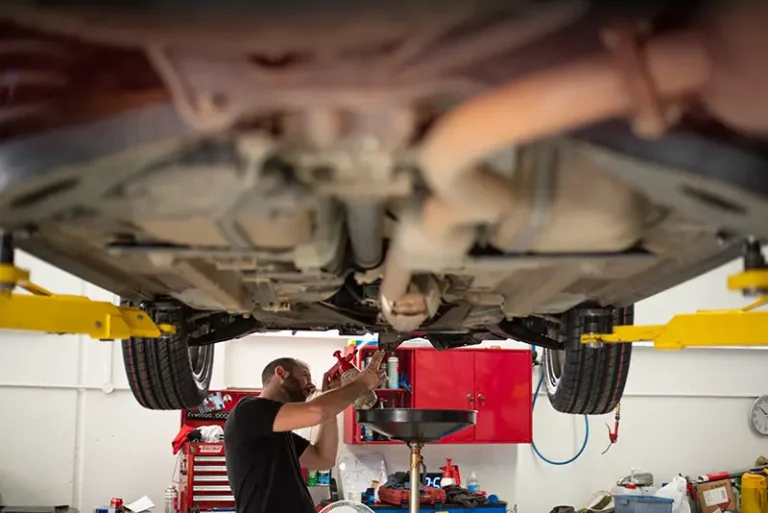
If your clutch pedal feels different lately, don’t ignore it. Clutch wear is normal in any manual car. But manual European cars, especially BMW, Audi and VW models, tend to wear differently to mainstream vehicles.
Some of this comes down to how these cars are engineered. Some of it comes down to how few manual drivers there are left to notice the warning signs early.
That second point matters more than people think. Only about seven per cent of Victorians who sat their driving test recently did so in a manual car. Manual driving experience is getting rarer across Melbourne and the rest of the country, which means fewer drivers today, and fewer driving instructors, ever get proper practice reading these warning signs.
A clutch in a manual transmission vehicle typically lasts somewhere between 60,000km and 100,000km, though this varies a lot by driving style and model. Below, we’ll walk through the signs, the causes, and what a clutch replacement actually involves.
How a Clutch Works
A clutch connects and disconnects your engine from your gearbox every time you change gear. Three main parts do the work: the clutch disc, the pressure plate, and the flywheel.
When you press the clutch pedal, the pressure plate releases the clutch disc from the flywheel. This disengages the engine from the transmission, so you can shift without grinding anything. Release the clutch pedal smoothly, and the disc re-engages, sending power back through the gearbox and out to the wheels.
It sounds simple. In practice, this engagement and disengagement happen hundreds of times on every drive, which is exactly why the clutch components wear over time.
Signs of Clutch Wear You Shouldn’t Ignore
Clutch wear rarely appears overnight. It builds gradually, which is exactly why so many drivers miss it until it becomes a bigger, more expensive problem.
Here are the signs of clutch wear worth taking seriously.
- Slipping. Your engine revs climb, but your car doesn’t accelerate to match. This is one of the clearest signs your clutch plate is worn.
- A spongy, high, or inconsistent clutch pedal. If the pedal feels different every time you press it, something in the hydraulic system or the clutch itself is wearing out.
- A burning smell, especially in traffic or on hill starts. This usually means the friction material on the clutch disc is overheating.
- Difficulty finding or holding gears. A worn clutch release bearing or worn clutch disc can make it hard to change gears smoothly, particularly into first gear from a stop.
- Shuddering on takeoff. This often points to uneven wear on the clutch plate or pressure plate.
- The clutch pedal is stuck to the floor. This can signal a hydraulic system fault or a failing release bearing, and it’s worth getting checked immediately.
None of these signs means your clutch has failed. But each one is worth a proper look before it turns into a roadside breakdown.
What Causes Clutch Wear in European Manuals?
Every manual car experiences wear and tear on its clutch over time. But a few things speed the process up in BMW, Audi and VW models specifically.
- Driving style. Riding the clutch, resting your foot on the clutch pedal at traffic lights, or launching aggressively from a stop all put unnecessary strain on the clutch. Even keeping your foot on the clutch while coasting adds wear that a proper gear change wouldn’t. This habit is common in drivers still building confidence after learning to drive, but it’s worth unlearning early, since it shortens clutch life significantly over the years.
- Stop-start traffic and hill starts. Melbourne’s eastern suburbs, including areas around Croydon, have plenty of rolling terrain and heavy peak-hour traffic. Using the clutch to hold a car on a hill, instead of the handbrake, is one of the most common causes of clutch wear we see.
- High-performance models. Performance variants of BMW, Audi and VW cars often use higher clamp loads on the pressure plate. This improves power delivery but wears the clutch disc faster under hard use.
- Dual-mass flywheel issues. BMW and VW diesel models commonly use a dual-mass flywheel rather than a solid one. These smooth out engine vibration, but they can fail independently of the clutch itself, and often need replacing at the same time.
How Long Do Clutches Last in BMW, Audi and VW Models?
There’s no single answer here. Clutch lifespan depends on the model, the driving style, and how much stop-start city driving the car sees.
As a general guide, gentle, mostly highway driving tends to extend clutch life. Frequent stop-start city driving shortens it. Performance models with higher clamp loads often need earlier replacement. Dual-mass flywheel wear can bring the timeline forward, regardless of clutch condition.
Treat any lifespan figure as indicative only, not a guarantee. Regular maintenance and early diagnosis make the biggest difference to how long your clutch actually lasts.
Simple Habits That Help Your Clutch Last Longer
A few small changes to daily driving can add real distance to your clutch’s life.
- Avoid riding the clutch. Keep your foot off the pedal unless you’re actively changing gear.
- Rest your foot on the floor, not the pedal, when cruising. Even light pressure adds unnecessary wear over thousands of kilometres.
- Use the handbrake on hills. Don’t use the clutch to hold the car in place at lights or on an incline.
- Press the clutch pedal fully. A half-press when changing gears can cause the clutch to slip against the flywheel.
- Change gears smoothly. Rushing a gear change puts more strain on the clutch than a steady, deliberate shift.
None of these habits require expensive tools or extra time. They just take a bit of awareness behind the wheel.
Is It Definitely the Clutch?
Not every slipping or grinding feeling comes from clutch wear. A worn engine mount, a failing gearbox synchro, or a loose gear linkage can all mimic clutch symptoms.
This is why diagnosis matters before any parts are ordered. Jumping straight to a clutch replacement without checking these other causes can mean paying for a repair that doesn’t actually fix the problem.
A mechanic experienced with European manuals will check the clutch system, the gearbox, and the linkage together, not just assume the clutch is automatically at fault because the symptoms happen to line up.
Clutch Replacement Process: What to Expect
- Diagnosis and inspection first. Before anything is replaced, a proper diagnosis rules out other causes of slipping or gear trouble, like a hydraulic leak or a worn release bearing. Our team inspects the full clutch system before recommending any work.
- Gearbox removal. Replacing a clutch means removing the gearbox to access it. This is labour-intensive, which is a big part of why clutch jobs take longer than most repairs.
- Clutch kit and flywheel replacement or resurfacing. Once the gearbox is out, the old clutch disc, pressure plate, and release bearing are replaced as a kit. The flywheel is either resurfaced or replaced, depending on its condition.
- Road test and calibration. After reassembly, the car is road tested to confirm smooth engagement and disengagement, correct pedal feel, and no residual shuddering or slipping.
Clutch Replacement Cost: What Affects the Price
Clutch replacement cost varies significantly depending on the model, whether the dual-mass flywheel needs replacing too, and the labour time involved. Rather than quote a fixed figure here, we’d recommend booking a proper inspection so you get an accurate quote based on your specific car.
Why Choose a European Specialist for Clutch Replacement
Manual transmission vehicles from BMW, Audi and VW aren’t quite like mainstream cars under the bonnet. Getting the clutch kit specification wrong or missing a DSG versus manual distinction can cause premature failure.
A specialist workshop understands the correct clutch kit for your specific model and engine, the difference between DSG and true manual clutch systems, dual-mass flywheel behaviour specific to BMW and VW diesels, and why regular car maintenance saves you money on repairs long-term.
If you’re in Melbourne’s east, our European car specialists in Croydon can inspect your clutch and talk you through what’s needed, no guesswork involved.
Book a clutch inspection today and catch the wear before it becomes a bigger repair.
FAQs
Slipping, burning smells, and a spongy pedal usually point to the clutch. A proper diagnosis rules out other causes.
Short trips are usually fine, but slipping gets worse over time. Get it checked soon to avoid being stranded.
Often, yes, especially with dual-mass flywheels on BMW and VW diesels. Your mechanic will confirm during inspection.
Most jobs take a full day, since the gearbox has to come out. Your workshop will confirm timing upfront.
This usually means wear inside the clutch system. A pedal that changes feel from day to day is worth getting looked at.