
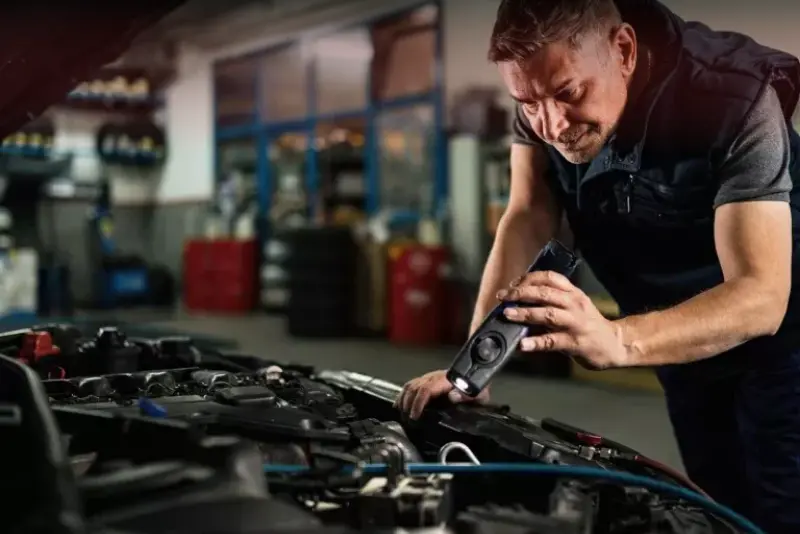
Buying a used European car is exciting. You’ve spotted a clean BMW 3 Series or a well-priced Audi Q5 online, the photos look great, and the seller says it’s been well-maintained. But here’s the thing: what a used car looks like and what it actually is can be two very different things.
That’s exactly why a car inspection before you hand over your money is one of the smartest moves you can make. And when it comes to used European vehicles, the stakes are even higher. These cars are built with complex engineering and specialised systems that a standard mechanic, or even a careful test drive, may not pick up on.
From 1 July 2024 to 30 June 2025, the ACCC received over 1,000 reports about second-hand cars, with over 80% of those reports related to consumer guarantee issues, including misrepresentations about a car’s history, condition, and performance. That’s thousands of Australians who found out the hard way that a used car wasn’t what they thought they were buying.
A pre-purchase inspection changes that. Here’s what you need to know before buying a used BMW, Audi or Mercedes in Melbourne.
Hidden Problems Commonly Found in Used European Cars
Used European cars, whether it’s a BMW, Audi or Mercedes, come with real ownership rewards. But they also come with make-and-model specific issues that aren’t always visible to the untrained eye during a test drive or a walk-around.
Here are some of the most common hidden issues our mechanics uncover during a car inspection:
Engine and Drivetrain
- Timing chain and belt wear: Certain BMW engines are known for timing chain guide wear. If it fails, it can cause serious engine damage. A timing belt service history gap is a major red flag.
- Oil leaks: Valve cover leaks, oil filter housing leaks, and turbo line seepage are extremely common in ageing BMW and Mercedes engines. These often don’t show up on a casual look inside the engine bay.
- Carbon build-up: A known issue in direct-injection Audi and BMW engines. It’s not visible during a regular test drive and can only be properly assessed by a specialist with the right diagnostic tools.
- Transmission faults: Many used European vehicles carry stored fault codes in their gearbox control modules that a standard OBD scanner won’t detect.
Suspension and Tyres
- Control arm bushing wear: Front suspension wear on control arm bushings and ball joints is common on used European vehicles and can cause steering shimmy, clunks, and uneven tyre wear.
- Air suspension leaks: Audi and Mercedes SUV models often develop air suspension issues. The compressor can fail silently, and buyers frequently discover this only after purchase.
- Brake pad and rotor condition: Brake wear is easy to disguise on a short test drive. A proper inspection checks brake pad thickness, rotor condition, and brake fluid health.
Electronics and Diagnostics
- Hidden fault codes: Modern BMW, Audi and Mercedes vehicles have dozens of electronic control modules. Many carry “shadow faults,” stored codes that aren’t yet triggering dashboard warning lights but point to developing problems.
- Dashboard warning lights reset: Sellers sometimes clear dashboard warning lights before listing a car. Without a professional diagnostic scan, you won’t know what was there.
- Driver assistance system faults: Sensors for parking, lane keeping, and other driver assistance features are expensive to repair and easy to miss without the right diagnostic tools.
Body and Structure
- Accident repairs: Paint thickness checks and panel gap inspections can reveal undisclosed past accident repairs that a fresh detail job will hide completely.
- Rust: Common underneath, along sill plates, and in the engine bay on older European cars, especially those not garaged.
- Dent and panel damage: Easy to miss in online photos or under certain lighting conditions.
Below is a quick reference of common European car faults by make:
| Make | Common Issues to Check |
| BMW | Timing chain guides, oil leaks, N47 engine issues, DSC faults |
| Audi | Carbon build-up, EA888 tensioner, air suspension, oil consumption |
| Mercedes | Conductor plate faults, air suspension compressor, coolant leaks, 722.9 gearbox |
What a Professional Inspection Can Reveal?
A comprehensive pre-purchase inspection goes well beyond a visual inspection and a spin around the block. When you bring a used car to a European specialist mechanic in Melbourne like Arnpro Automotive, here’s what a thorough inspection actually covers:
- Full diagnostic scan with European-specific tools
Generic scan tools won’t suffice for BMW, Audi, or Mercedes. A proper inspection uses manufacturer-level diagnostic tools to read every module in the car, including the gearbox, ABS, airbag systems, and body control modules. This is how hidden fault codes get found.
- Mechanical assessment on a hoist
The car is lifted so the mechanic can inspect the undercarriage, check for leaks, assess the condition of the suspension components (including bushings and brake components), inspect tyre wear patterns, and look for any signs of damage or previous accident repairs underneath.
- Engine bay inspection
A thorough look inside the engine bay checks for oil and coolant leaks, hose condition, coolant system health (particularly important in German cars with plastic cooling components), and any signs that the car has been poorly maintained.
- Road test with a trained technician
A test drive with a specialist is very different from a test drive on your own. A trained mechanic will be listening and feeling for hesitation, transmission responsiveness, brake pedal feel, suspension noise, and any vibrations that don’t belong.
- Service history and odometer review
The inspection includes a review of the car’s service records, checking that the service history aligns with the odometer reading, and confirming the car’s vehicle history matches what the seller has claimed.
- PPSR check
A PPSR (Personal Property Securities Register) check confirms whether the car has finance owing, has been recorded as written off, or has been reported stolen. In 2024–25, over 13.1 million PPSR searches were conducted in Australia, with motor vehicles making up 69% of all new registrations on the register. The Australian Financial Security Authority continues to encourage every Australian buying a used car to complete a PPSR search before purchase.
- Inspection report
At the end, you receive a written inspection report detailing the car’s overall condition, what work is required now, and what to keep an eye on. This document becomes a negotiating tool and a record you can rely on.
If you want more detail on what European specialists look for, Arnpro’s Used European Car 12-Point Inspection Guide breaks it down by make and common fault code.
The Cost of Skipping a Pre-Purchase Inspection
Skipping a pre-purchase inspection on a used European vehicle is the kind of decision that feels fine until it isn’t.
The repair costs on a BMW, Audi or Mercedes can be significant, and the issues most likely to catch buyers out are the ones that aren’t visible on the surface. A timing chain replacement, a gearbox conductor plate, an air suspension compressor, or a cooling system rebuild are not minor items, and none of them will show up during a regular test drive.
Here’s what the risk actually looks like:
- A used car that appears well-maintained on a test drive can carry undisclosed fault codes across multiple modules.
- Sellers sometimes reset dashboard warning lights before a viewing.
- Service records can be incomplete or, in some cases, fabricated.
- A car may have had accident repairs not recorded on its vehicle history.
According to Carify, 1 in 12 vehicles in Australia has been recorded as an insurance write-off, and in 2020, around 39,400 vehicles were stolen across the country. A PPSR check combined with a professional inspection is the only reliable way to know what you’re actually buying.
Beyond the financial risk, there’s the safety and performance angle. European cars require properly functioning suspension, brakes, and electronic systems to perform as designed. Buying a used vehicle with worn brake pads, degraded tyres, or a compromised air suspension and then driving it on Melbourne roads is a real risk, not a hypothetical one.
The peace of mind that comes from a proper inspection is also about knowing the car’s overall condition before you’re locked into a purchase. If issues are found, you can either negotiate a price reduction or walk away entirely, with your money still in your pocket.
Common repair costs avoided by an inspection (examples):
| Issue | Potential Impact |
| Timing chain failure | Major engine damage |
| Air suspension compressor | Significant suspension failure |
| Gearbox fault codes | Transmission rebuild or replacement |
| Cooling system failure | Engine overheating |
| Undetected accident repairs | Structural safety concerns |
As Arnpro’s team outlines in their European car battery warning signs guide, the electrical systems in these vehicles are interconnected, and a fault in one area can cascade quickly into others.
You can also check a car’s listed value against market pricing tools like RedBook before you inspect, so you already know if the price aligns with the car’s age, kilometres, and condition.
Arrange a Pre-Purchase Inspection Before You Buy
If you’re buying a used BMW, Audi or Mercedes in Melbourne, a pre-purchase inspection Croydon at Arnpro Automotive is one of the most straightforward steps you can take to protect your purchase.
Arnpro Automotive is a European car specialist based in Croydon, Melbourne, with the dealer-level diagnostic tools, training, and hands-on experience to inspect BMW, Audi and Mercedes vehicles properly. Whether you’re buying second-hand from a private seller or a dealer, you can ask the seller to have the vehicle made available for inspection before you commit.
What to do before you book:
- Run a PPSR check on the car’s VIN (you can do this at ppsr.gov.au for a small fee).
- Ask the seller for the full service history and any service records they have.
- Check the car’s estimated value on RedBook so you know what the market says it’s worth.
- Note the make and model specific issues for that vehicle (Arnpro’s team can advise on what to look for before you even arrive).
What Arnpro’s inspection covers:
- Full European-specific diagnostics across all vehicle modules
- Engine, transmission, cooling, and brake system check
- Suspension, tyres, and undercarriage inspection
- Body check for signs of accident repairs and rust
- Service history review and odometer assessment
- PPSR status confirmation
- Written inspection report
Owning a European car in Melbourne is a great experience when the car is in good shape. Getting a pre-purchase vehicle inspection done first is how you make sure yours actually is.
To book a pre-purchase inspection Croydon, contact Arnpro Automotive today.
Frequently Asked Questions
The cost varies depending on the vehicle and the depth of the inspection. Contact Arnpro Automotive directly for a quote. In most cases, the inspection cost is minor compared to the repair costs it can help you avoid.
Yes. You can ask the seller to have the car available at a workshop of your choice, or arrange a mobile inspection, depending on the provider. Most genuine sellers will have no issue with this.
A PPSR check confirms legal and financial history, like whether the car has finance owing or has been written off. A pre-purchase inspection checks the car’s mechanical, electrical, and structural condition. You need both.
Yes. European vehicles have complex electronics that require manufacturer-level diagnostic tools. A general mechanic may miss hidden fault codes, model-specific issues, and transmission faults that a European specialist will catch.
Most comprehensive pre-purchase inspections take between one and two hours, depending on the vehicle. You’ll receive a written inspection report at the end.