
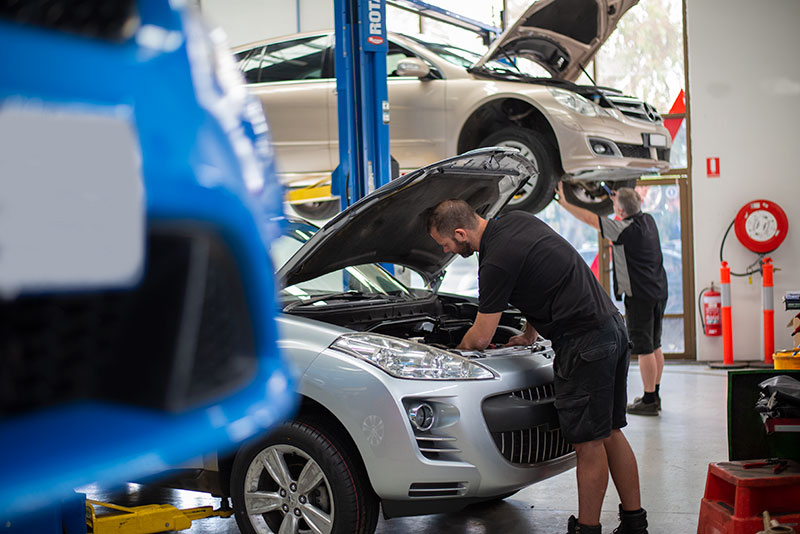
Getting a roadworthy certificate in Croydon doesn’t have to be complicated. You need one to sell your car or register a used vehicle, and finding the right VicRoads licensed tester can make all the difference between a smooth process and a frustrating experience.
Here’s everything you need to know about car inspection requirements in Croydon, from what gets checked to how much you’ll pay.
What is a Roadworthy Certificate?
A roadworthy certificate is an official document that confirms your vehicle meets the minimum safety standards required by law in Victoria. Think of it as a health check for your car, it doesn’t mean your vehicle is perfect, but it proves it’s safe enough to be on the road without posing a danger to you, your passengers, or other road users.
The certificate is issued by VicRoads licensed testers who conduct thorough inspections of critical safety components. Unlike a regular service, a roadworthy inspection focuses specifically on safety-related items rather than general maintenance or performance issues.
Here’s what makes a roadworthy certificate different from other car inspections:
- Legal requirement: It’s mandated by Victorian law for specific situations
- Safety focus: Only examines components that affect road safety
- Pass/fail system: Your car either meets the standards or it doesn’t
- Official documentation: Creates a legal record of your vehicle’s safety status
- Time-limited validity: Must be used within specific timeframes
The certificate itself is a simple document, but it carries significant legal weight. It protects both buyers and sellers in vehicle transactions and ensures that unsafe vehicles are identified and repaired before they can cause accidents.
When Do You Need a Roadworthy Certificate in Croydon?
Understanding when you legally require a roadworthy certificate can prevent costly delays and legal issues. Victoria has specific requirements that every vehicle owner should know.
Mandatory situations requiring a roadworthy certificate:
- Selling your vehicle privately: Every private vehicle sale in Victoria requires a current roadworthy certificate. This protects the buyer and ensures you’re not selling an unsafe vehicle.
- Transferring registration: When ownership changes hands, whether through sale, gift, or inheritance, a roadworthy certificate must accompany the transfer paperwork.
- Re-registering an unregistered vehicle: If your car’s registration has lapsed for more than three months, you’ll need a fresh roadworthy certificate to get back on the road legally.
- Converting registration type: Changing from one registration category to another (like converting a commercial vehicle to private use) requires roadworthy certification.
- First registration of imported vehicles: Vehicles imported from overseas must pass a roadworthy inspection before they can be registered in Victoria.
Important exceptions to remember:
- Licensed motor dealers don’t need to provide roadworthy certificates when selling vehicles
- Trade-in sales to dealers don’t require certificates
- Transfers between immediate family members may have different requirements
The timing of when you obtain your certificate matters significantly. A roadworthy certificate is valid for 30 days from the date of issue for registration purposes, but if you’re selling privately, the certificate must be no more than 30 days old when the buyer takes possession.
Legal Requirements for Roadworthy Certificates in Victoria
Victoria’s roadworthy certificate system operates under strict legal frameworks designed to maintain road safety standards across the state. Understanding these requirements helps ensure you comply with the law and avoid potential penalties.
Key legal obligations include:
- For sellers
You must provide a valid roadworthy certificate dated within 30 days of the sale. Selling a vehicle without a proper certificate can result in fines and legal complications. The certificate must be obtained from a VicRoads licensed tester, and you cannot sell the vehicle if it fails the inspection until repairs are completed.
- For buyers
While you’re not legally required to obtain the certificate yourself when buying privately, you should verify that the certificate is genuine, current, and matches the vehicle’s details. Licensed dealers have different obligations and may sell vehicles without certificates under specific conditions.
- For testers
VicRoads licensed testers must follow prescribed inspection procedures and can face penalties for issuing certificates inappropriately. They’re legally obligated to fail vehicles that don’t meet safety standards, regardless of customer pressure or relationships.
- Penalties for non-compliance can be severe.
Selling a vehicle without a proper roadworthy certificate can lead to significant fines. Using fraudulent certificates carries even more serious consequences, including potential criminal charges.
The legal framework also protects consumers. If you purchase a vehicle with a valid roadworthy certificate and discover safety issues that should have been identified during inspection, you may have legal recourse against the tester or seller.
How to Get a Roadworthy Certificate in Croydon: Step-by-Step Guide
Getting your roadworthy certificate in Croydon is straightforward when you know the process. Here’s your complete step-by-step guide:
Step 1: Choose a VicRoads licensed tester.
Research local licensed testers in Croydon using VicRoads’ official directory. Look for testers with good reputations, convenient locations, and reasonable pricing. Don’t just go with the cheapest option; reliability and thoroughness matter more than saving a few dollars.
Step 2: Book your inspection appointment
Call ahead to schedule your inspection. Most testers are busy, so same-day appointments aren’t always available. When booking, ask about pricing, what to bring, and any specific requirements for your vehicle type.
Step 3: Prepare your vehicle
Before the inspection, address any obvious issues you can see. Check that all lights work, tires have adequate tread, and there are no loose parts. Clean your car so the tester can properly examine all components.
Step 4: Bring required documentation
You’ll need your driver’s license and vehicle registration papers. Some testers may require additional identification or proof of ownership.
Step 5: Attend the inspection
The inspection typically takes 30-60 minutes, depending on your vehicle’s condition. You can usually wait while it’s conducted, and many testers will explain any issues they find.
Step 6: Receive your results
If your vehicle passes, you’ll receive your certificate immediately. If it fails, you’ll get a detailed list of required repairs. You have 14 days to fix the issues and return for re-inspection, usually at a reduced fee.
Step 7: Complete any required repairs
If repairs are needed, get quotes from reputable mechanics. Don’t cut corners on safety-related items; they’ll just be flagged again during re-inspection.
Step 8: Return for re-inspection if needed
Once repairs are completed, return to the same tester for re-inspection. Bring receipts for the work performed as proof that issues have been addressed.
What Happens if Your Car Fails the Roadworthy Test?
Vehicle failure during roadworthy inspection is common and manageable when you understand the process and your options.
Immediate steps after failure:
- Receive detailed documentation of all issues that caused the failure. Licensed testers must provide specific information about each problem, including location and severity. This documentation helps you understand exactly what needs repair.
- Ask for explanations if any failures aren’t clear. Good testers take time to show you problems and explain why they affect safety. Don’t hesitate to ask questions about repair priorities or cost-effective solutions.
- Understand your timeframe for completing repairs and returning for re-inspection. You have 14 days from the failure date to address issues and return to the same tester for re-examination at reduced cost.
- Get repair estimates from qualified mechanics before committing to expensive work. Some issues might have cost-effective solutions that aren’t immediately obvious.
Common failure categories and solutions:
- Lighting problems are among the most common failures, but they’re often the easiest to fix. Burned-out bulbs, faulty connections, or misaligned headlights can usually be resolved with a quick, low-cost repair.
- Tire issues, including inadequate tread depth, sidewall damage, or irregular wear patterns, require tire replacement or repair. While potentially expensive, tire problems directly affect safety and must be addressed.
- Brake system problems range from simple brake fluid top-ups to complete brake pad or disc replacement. Never compromise on brake repairs, as they’re critical for vehicle safety.
- Suspension and steering issues vary widely in complexity and cost. Simple problems like loose components might be inexpensive to fix, while worn suspension components could require significant investment.
Re-inspection process:
- Return to the same tester within 14 days with proof of completed repairs. Most testers offer reduced re-inspection fees during this period, typically 30-50% of the original inspection cost.
- Bring repair receipts as evidence that issues have been addressed professionally. This documentation helps expedite the re-inspection process.
- Focus on failed items during re-inspection. Testers typically examine previously failed components plus conduct a brief overall safety check to ensure no new problems have developed.
Common Reasons Cars Fail Roadworthy Inspections
Understanding the most frequent failure points helps you prepare your vehicle and potentially avoid inspection failure altogether.
- Brake system failures:
- Brake pad wear beyond legal limits is extremely common, especially in older vehicles or those with high mileage. Pads must have adequate thickness to ensure effective braking, and worn pads can damage brake discs if not replaced promptly.
- Brake fluid issues, including low levels, contamination, or leaks in brake lines, cause failures because they directly affect braking effectiveness. Brake fluid should be clear and at proper levels, with no signs of moisture contamination or system leaks.
- Handbrake problems often involve cables that are stretched, frayed, or poorly adjusted. The handbrake must hold the vehicle securely on an incline and have appropriate lever travel. Adjustment is often possible, but cable replacement might be necessary.
- Tire and wheel problems:
- Inadequate tread depth below 1.6mm across the tire surface is an automatic failure. Uneven wear patterns might indicate alignment, suspension, or inflation problems that should be addressed beyond just tire replacement.
- Tire damage, including sidewall cracks, embedded objects, or structural damage, creates safety hazards. Even if the tread depth is adequate, damaged tires must be replaced before passing inspection.
- Wheel security problems involving loose wheel nuts, damaged rims, or improper tire mounting affect vehicle safety and handling.
- Lighting system failures:
- Bulb failures in headlights, taillights, brake lights, or indicators are common but easily fixed. However, testers also check for proper aim, adequate brightness, and correct operation of all lighting circuits.
- Electrical problems affecting lighting systems might involve faulty switches, corroded connections, or wiring issues that require professional diagnosis and repair.
- Suspension and steering issues:
- Worn suspension components, including shock absorbers, struts, or springs, affect vehicle handling and safety. Excessive bounce, uneven tire wear, or visible component damage typically indicate suspension problems.
- Steering system wear in components like ball joints, tie rod ends, or steering racks can cause excessive play, vibration, or alignment issues that fail inspection requirements.
Conclusion
Getting a roadworthy certificate in Croydon doesn’t have to be complicated or stressful when you understand the process and choose the right service provider. By preparing your vehicle properly, selecting a reputable licensed tester, and understanding your rights and responsibilities, you can navigate the roadworthy certificate process efficiently and cost-effectively.
Remember that roadworthy certificates serve an important safety purpose beyond meeting legal requirements. They help ensure that vehicles on Victorian roads meet minimum safety standards, protecting you, your family, and other road users from preventable accidents caused by mechanical failures.
Take time to research your options, prepare your vehicle appropriately, and choose a testing service that provides fair, professional service. The small investment in time and effort upfront can save you significant money, time, and stress while ensuring you comply with Victorian road safety requirements.
Frequently Asked Questions
- How long is a roadworthy certificate valid?
A roadworthy certificate remains valid for 30 days from the date of issue for registration transfer purposes. For private vehicle sales, the certificate must be dated within 30 days of when the buyer takes possession of the vehicle. This timing is crucial for legal compliance and successful transaction completion.
- Can I use a roadworthy certificate from any licensed tester in Victoria?
Yes, roadworthy certificates issued by any VicRoads licensed tester are valid throughout Victoria, regardless of where the inspection was conducted. You can get your certificate in Croydon and use it for registration transfers or sales anywhere in the state.
- What happens if I disagree with a roadworthy inspection failure?
If you believe your vehicle failed incorrectly, you can seek a second opinion from another licensed tester. However, you’ll need to pay for a complete new inspection rather than just re-examining disputed items. If the second tester finds the original failure was incorrect, you can file a complaint with VicRoads about the first tester’s conduct.
- Do I need a roadworthy certificate to renew my vehicle registration?
No, roadworthy certificates are not required for standard registration renewals. They’re only needed when transferring ownership, re-registering unregistered vehicles, or in other specific circumstances outlined by VicRoads regulations.
- Can I drive my car if it fails the roadworthy inspection?
If your car was registered and roadworthy when you brought it for inspection, you can continue driving it legally while making required repairs. However, if safety issues are severe, the tester might advise against driving until repairs are completed. Use common sense and prioritise safety over convenience.
- How much do roadworthy certificate repairs typically cost?
Repair costs can vary widely depending on the issue with your vehicle. Simple fixes like replacing a light bulb are generally inexpensive, while major brake or suspension work can be a significant investment. It’s always a good idea to get quotes from reputable mechanics before committing to bigger repairs.